Mechanical Engineering Department,
Opus College of Engineering,
Marquette University.
1515 W. Wisconsin Ave,
Milwaukee, WI - 53233.
Computational Mechanics of Materials Laboratory
WelcomeWelcome to the Computational Mechanics of Materials Laboratory at Marquette University. Our overarching goal is to understand, predict and improve materials performance through advancements in materials modeling. Materials drive technology; however, improving modern structural materials is a formidable challenge involving sophisticated techniques, beyond the Edisonian (trail-and-error) approach. Our work strives to use computational modeling to understand the connection between materials microstructure and their properties, build tools to predict materials performance in environments that are difficult to access experimentally, and ultimately transfer this knowledge to materials and product designers. NewsCheck out are recent work on X-ray tomography of damage dynamics in advanced materials using a laser wakefield accelerator Scientific Reports The computational mechanics of materials lab is working with industry to optimize Triply Periodic Minimal Surfaces (TPMS) for applications in outer space Read More Our team was recently awarded an AFRL Regional Network - Midwest Grant. See the News Release We've found that wire size effects the fatigue behavior of superelastic nitinol Materials Science and Engineering: A Our team has developed software for nonlocal modeling, see the writeup in Software Impacts Check out this new approach to modeling the statistical stread in fatigue life of polycrystals Fatigue & Fracture of Engineering Materials & Structures
|
1 / 7
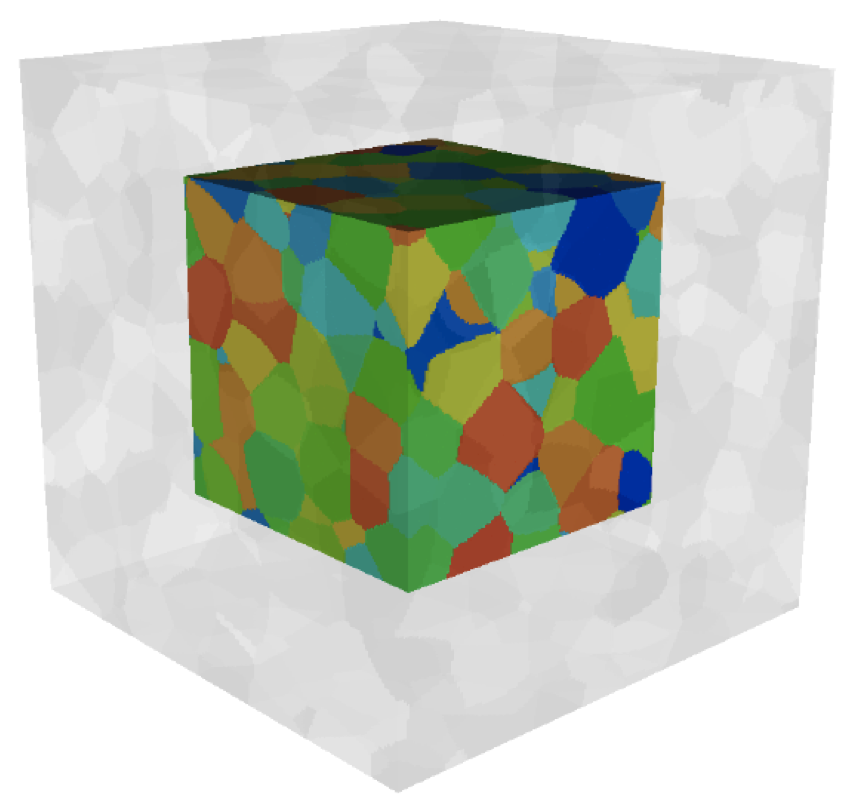
Crystal plasticity model of an FCC metal microstructure
2 / 7
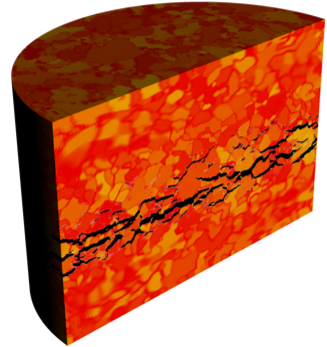
Spall failure of an experimentally-measured copper microstructure
3 / 7
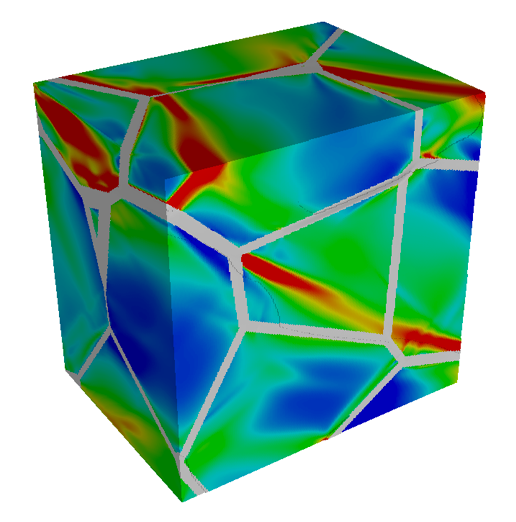
Dislocation evolution in
Ti-6Al-4V α and β phases
4 / 7
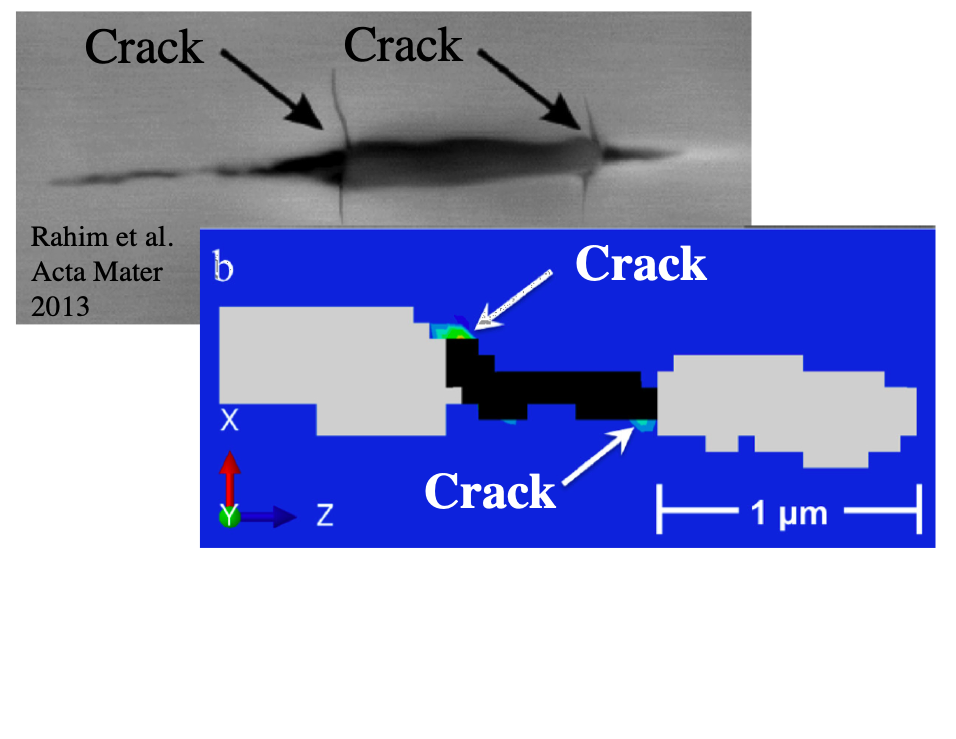
Fatigue fracture prediction for a Nickel-Titanium Alloy
5 / 7
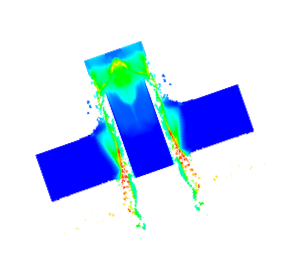
Impact simulation using a multiscale material degradation model
6 / 7
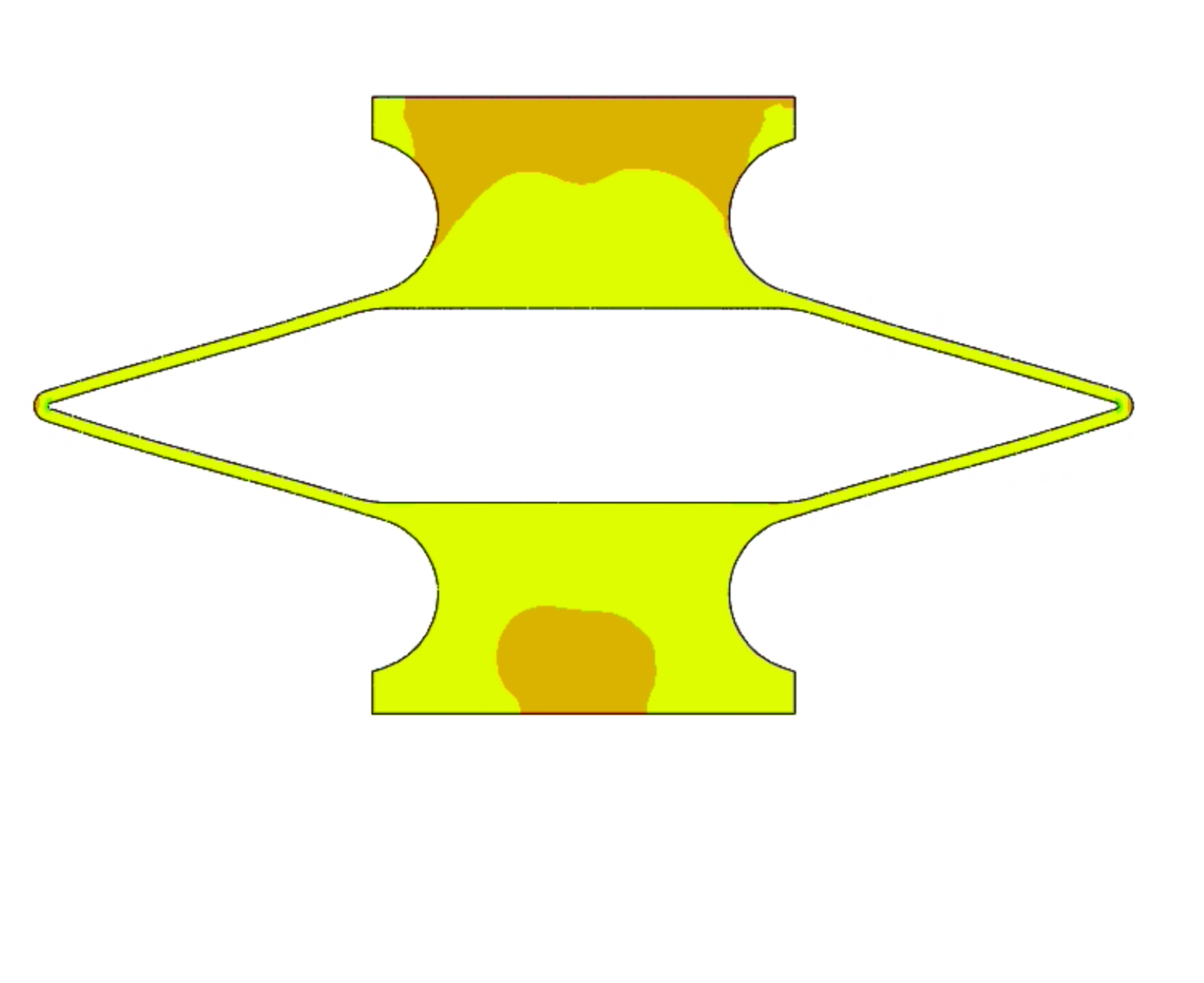
Multiscale fatigue life prediction in biomedical stent surrogate
7 / 7
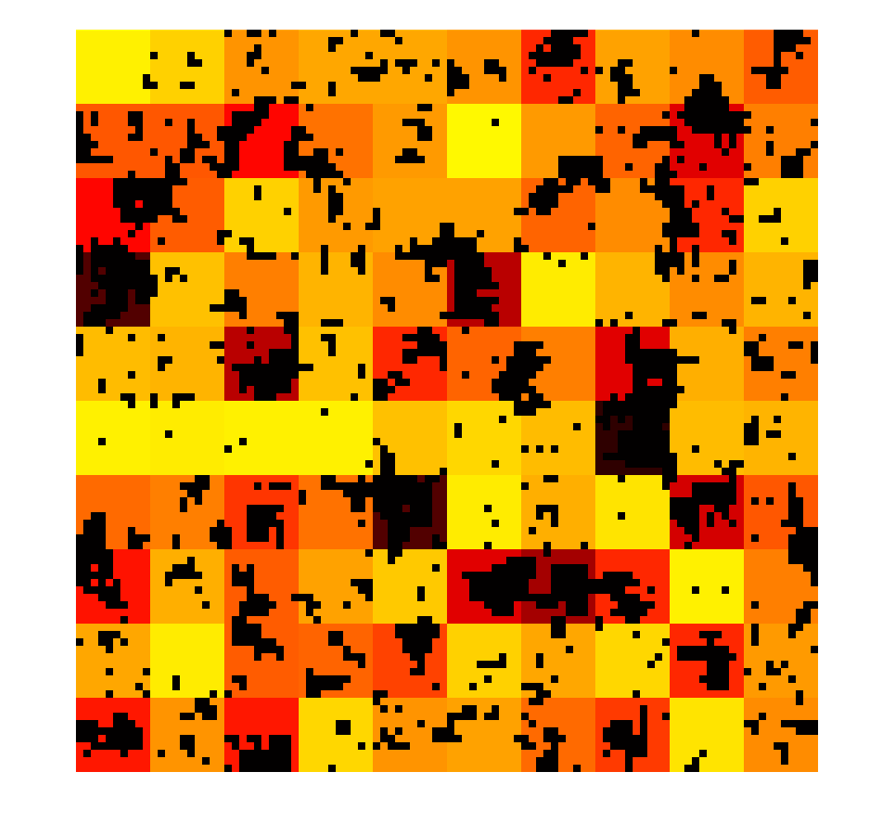
Multiscale model of a filled polymer microstructure
|